Top Benefits of Non-Surgical Body Contouring in Michigan

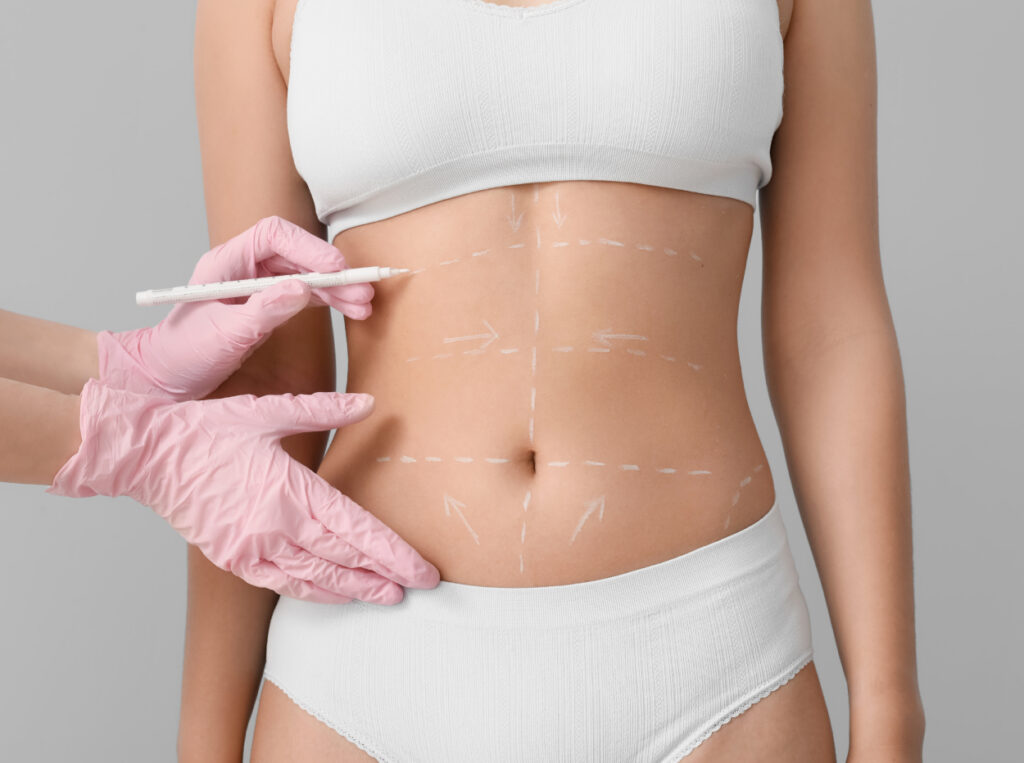
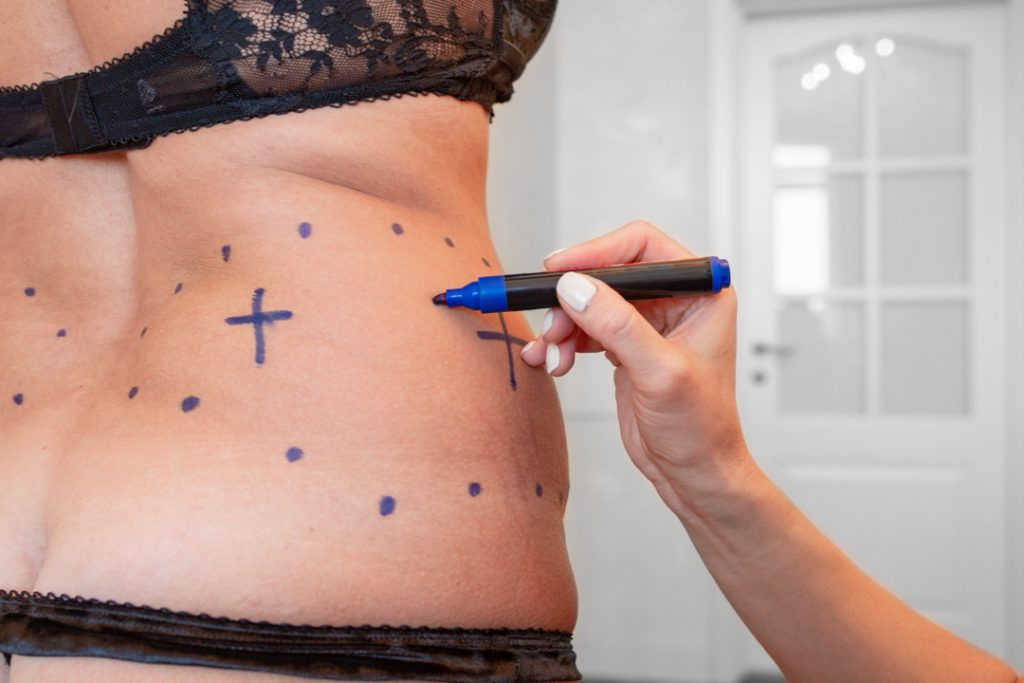
Body shape is personal. For some people, the concern is the band of fullness that lingers around the lower abdomen after pregnancy. For others, it is the soft pocket at the flanks that does not respond to clean eating, strength training, or weekend miles on the trail. In a state like Michigan, where the seasons change dramatically and wardrobe shifts from lakewear to layers to holiday dresses, people often become more aware of the areas they would like to refine. That is where non-surgical body contouring has carved out a real place in aesthetic care.
The appeal is easy to understand. Many adults want improvement, not upheaval. They are not necessarily looking for surgery, downtime, drains, compression garments for weeks, or a long break from work and family. They want targeted treatment, realistic change, and a Body Contouring in Michigan process that fits into everyday life. Body Contouring in Michigan has grown in popularity largely because it answers that practical need.
What surprises many first-time patients is that non-surgical body contouring is not one single treatment. It is a category that includes technologies designed to reduce localized fat, tighten mild skin laxity, or improve body definition without incisions. The exact device and method vary by practice, and that matters. But the larger benefits tend to hold true when treatment is chosen carefully and expectations are reasonable.
Why people in Michigan are choosing non-surgical options
Michigan patients often bring a straightforward mindset to cosmetic treatment. They want to know what is worth the time, what recovery looks like, how much change is realistic, and whether the outcome will still look like them. Non-surgical Body Contouring appeals because it sits at the intersection of visible improvement and manageable commitment.
There is also a seasonal rhythm to demand. Many practices notice increased interest in late winter and early spring, when people are thinking ahead to summer travel, weddings, and time on the water. Another spike often comes after the holidays, when routines reset and people want to address areas that have bothered them for years. Yet interest is not limited to swimsuit season. In colder months, patients appreciate being able to undergo treatment discreetly under normal clothing, with little interruption to work schedules.
The geography and pace of life in Michigan also play a role. Not everyone lives close to a major urban center, and many patients are balancing commutes, school pickups, small businesses, or demanding professional roles. A treatment that does not require surgical planning, extended recovery, or overnight care has a practical advantage.
A more comfortable path to visible change
One of the clearest benefits of non-surgical body contouring is that it offers a lower-barrier entry point into aesthetic treatment. For patients who feel uneasy about anesthesia or surgery, this matters. They can address a stubborn area without crossing into a more invasive experience.
That does not mean treatment is effortless or sensation-free. Depending on the technology used, patients may feel cold, heat, suction, muscle contractions, or a firm pulling sensation. Still, most describe the experience as tolerable, especially compared with what they had imagined before coming in. They often return to normal activity the same day or the next day. For working adults, parents, and caregivers, that distinction is not minor. It can be the deciding factor.
I have seen this especially with patients who spent years assuming body contouring meant liposuction and nothing else. Once they understand that certain concerns can be treated without surgery, they become more open to the conversation. They are still cautious, as they should be, but no longer feel that their only choices are to live with the issue or commit to an operating room.
Less downtime, less disruption
The phrase “no downtime” is sometimes used too casually in aesthetics. A more honest framing is that non-surgical body contouring usually involves minimal downtime. That is a meaningful difference. Some patients have temporary redness, swelling, soreness, numbness, or tenderness. A few feel as if they completed an intense core workout. But most are not taking a week off from life.
In practical terms, that means a patient can schedule treatment around meetings, school events, or travel plans without the kind of elaborate recovery planning surgery often requires. In Michigan, where weather can complicate driving and schedules in winter, shorter and simpler recovery has real value. If a patient can come in for a session and be back to desk work, errands, or remote meetings quickly, the treatment becomes more accessible.
This is one reason Body Contouring in Michigan attracts not only cosmetic veterans, but also first-timers. The experience feels less intimidating, and the recovery does not dominate the calendar.
Targeting the “healthy but stubborn” problem
One of the strongest use cases for Body Contouring is the patient who is already doing many things right. They are active, they eat reasonably well, and their weight has been relatively stable, yet a specific area does not budge. This is common. Fat distribution is shaped by age, hormones, genetics, stress, and life stage, not just discipline.
Non-surgical treatments are especially useful for localized concerns such as the lower abdomen, flanks, inner or outer thighs, upper arms, and sometimes under the chin, depending on the treatment type. A patient who is close to their goal weight but frustrated by one or two persistent zones often sees the best value.
That point deserves emphasis because it protects people from disappointment. These treatments are not designed as substitutes for major weight loss. They are shaping tools, not broad metabolic interventions. When practices explain this well, outcomes and satisfaction tend to improve. The patient goes in knowing the target is contour, not total transformation.
A natural-looking result that develops over time
Surgery can produce dramatic changes more quickly, which for some patients is exactly the right choice. Non-surgical body contouring typically works differently. Results tend to emerge gradually over weeks or months as the body processes treated fat cells or responds to tightening energy. For many patients, this slower timeline is a benefit rather than a drawback.
Gradual change can look more natural. Friends or coworkers may notice that someone looks leaner, firmer, or more proportionate without immediately assuming they had a procedure. For patients who value privacy, that subtlety is appealing. The body still looks like their body, just a bit more refined.
The psychological side is worth mentioning too. A sudden change can be jarring for some people, even when they wanted it. Incremental improvement gives patients time to adjust and to decide whether they want additional sessions. That creates a sense of control, which matters in aesthetic medicine.
Precision in areas diet and exercise do not fully solve
Anyone who has worked in this field long enough has heard the same frustration many times: “I can lose weight everywhere else, but not there.” It may be the lower belly after two pregnancies, the bra line that shows through fitted clothing, or thighs that rub despite a strong fitness routine. These are not signs of failure. They are common patterns of fat retention and tissue change.
Non-surgical body contouring shines when the problem is precise. A well-chosen treatment plan can focus on body proportions in a way general weight loss cannot. This is why some patients feel better in clothes after contouring even if the scale barely moves. Their shape changes before their weight does, or without a meaningful change in pounds at all.
That distinction is important in patient education. People often expect the scale to validate the treatment. In reality, clothing fit, waist definition, profile, and side-by-side photography are usually better markers of success.
It can support confidence without demanding extremes
There is a quiet but significant benefit to feeling more comfortable in your own body, especially when the change comes from addressing a long-standing irritation rather than chasing an unrealistic ideal. Patients often describe relief as much as excitement. They stop tugging at shirts. They feel less self-conscious at the gym. They buy clothes based on preference instead of concealment.
This tends to be particularly meaningful for patients in transitional stages of life. New mothers, adults after major weight loss, and people navigating midlife body changes often feel estranged from a shape that no longer responds the way it once did. Non-surgical options can help restore a sense of agency without forcing them into a surgical pathway they do not want.
That said, good providers are careful not to overpromise emotional transformation. Aesthetic treatments can improve confidence, but they do not solve deeper self-esteem issues on their own. The best experiences happen when the motivation is grounded and specific.
Versatility across different body goals
Not every patient wants the same thing, and that is another strength of non-surgical treatment. Some want reduction in a small fat pocket. Others care more about tightening. Some want a smoother silhouette under clothing, while others are looking for more athletic definition.
A thoughtful consultation can separate these goals because the best treatment for one may be ineffective for another. A person with excellent skin tone and a discrete pinch of fat may do well with a fat-reduction approach. Someone with mild looseness after weight change may benefit more from a treatment aimed at tissue tightening. Another patient might be a hybrid case who needs more than one modality or who may be better served by surgery.
The flexibility of modern Body Contouring in Michigan is part of what has expanded its appeal. It is no longer a one-size-fits-all conversation. Practices can tailor recommendations based on anatomy, schedule, budget, tolerance for discomfort, and willingness to wait for gradual results.
The best candidates tend to share a few traits
Not everyone is an ideal candidate, and the practices with the happiest patients are usually the ones that say so plainly. The strongest candidates are often people who are already maintaining their weight and want to improve shape rather than overhaul their body.
Here are the traits that usually predict a better experience:
- They have a specific, localized concern rather than a goal of major weight loss.
- Their weight has been relatively stable for at least a few months.
- They understand results are gradual and may require multiple sessions.
- They have good enough skin quality for the chosen treatment to show well.
- They are prepared to maintain results through lifestyle habits.
A candid evaluation protects both the patient and the provider. If the tissue is too lax, the fat layer is too thick, or the goal is too aggressive, non-surgical treatment may not be the right tool. There is no shame in that. Good medicine is about matching treatment to anatomy and expectation, not making every patient fit the service menu.
Lower risk does not mean no judgment required
One reason non-surgical body contouring has earned trust is that it generally carries fewer risks than surgery. There are no incisions, and the complication profile is typically lighter. But “non-surgical” should never be treated as a synonym for casual.
Provider judgment still matters. Device settings matter. Medical history matters. So does the ability to identify when a patient is not likely to benefit. Inexperienced hands can create disappointment through poor treatment planning even if the technology itself is sound.
Patients should also understand the ordinary trade-offs. Some need several sessions before they see the level of change they hoped for. Some respond more dramatically than others. Some areas of the body are simply more stubborn. Mild swelling or temporary numbness can last longer than expected. None of that makes the treatment bad, but it does mean the sales pitch should never replace honest counseling.
Why provider selection matters so much in Michigan
The term “body contouring” gets used broadly, sometimes too broadly. A med spa may use it differently from a surgical practice or dermatology office. In Michigan, where options range from boutique aesthetic centers to physician-led clinics in larger metro areas, patients benefit from asking more than just price and availability.
What matters is whether the consultation includes an actual assessment of tissue quality, fat distribution, and suitability for the chosen device. A rushed consult that jumps straight to package pricing is often a warning sign. The better approach is usually slower and more specific.
Patients should leave a consultation understanding what the treatment can improve, what it cannot improve, how many sessions may be needed, and when they should expect visible changes. They should also hear the phrase “you may not be the right candidate” when appropriate. That is not bad customer service. It is good clinical judgment.
The value of fitting treatment into real life
A major reason Body Contouring in Michigan continues to grow is that it fits modern schedules. That sounds simple, but it is one of the most powerful benefits. Treatment can be integrated into life rather than life being reorganized around treatment.
For a sales manager in Grand Rapids, that might mean booking sessions between regional travel dates. For a teacher in Ann Arbor, it could mean starting in early summer when school is out. For a parent in suburban Detroit, it may simply mean choosing a treatment that does not interfere with lifting a toddler or driving to soccer practice. Convenience alone should never determine medical decisions, but in a treatment category designed around modest disruption, it matters.
This flexibility also makes maintenance more realistic. Patients who respond well and later want touch-up treatment are far more likely to follow through when the process is manageable.
Cost, value, and the question patients actually ask
Patients rarely ask only, “How much does it cost?” What they usually mean is, “Is it worth the investment for the kind of change I can expect?” That is a better question.
Non-surgical body contouring often costs less upfront than surgery, but the comparison is not always clean. Multiple sessions can add up. Results are generally subtler. A patient looking for a substantial single-stage transformation may find surgery more cost-effective in the long run. A patient who wants modest refinement, less downtime, and lower procedural intensity may view non-surgical treatment as the better value.
That value is not measured only in inches or photos. It is also measured in time away from work, help needed at home, recovery discomfort, and willingness to undergo the process at all. A treatment that someone is actually comfortable pursuing can have more real-world value than a theoretically superior option they will never choose.
Questions worth asking before you book
A short list of smart questions can save patients from poor fits and inflated expectations. These are the questions I most often wish people would ask earlier:
- Am I a good candidate for this specific treatment, based on my skin and fat distribution?
- What kind of result is realistic for my body, not your best-case photos?
- How many sessions do patients like me usually need?
- What side effects are common, and how long do they usually last?
- If this does not meet my goal, what would the next-best option be?
A provider who answers these clearly is usually more reliable than one who promises dramatic change with very little nuance. Confidence is good. Precision is better.
The broader benefit patients notice afterward
Long after the swelling fades and the before-and-after photos are taken, many patients describe the same practical benefit: less mental friction. They spend less time thinking about the area that used to bother them. That mental ease is easy to dismiss if you have never experienced the daily annoyance of a body concern that feels immune to effort. But for the right patient, it is real.
Non-surgical body contouring is not magic, and it is not for everyone. It works best when the goal is focused, the provider is honest, and the patient understands the limits as well as the benefits. In that setting, it can be an excellent option, especially for adults in Michigan who want effective body refinement without stepping into surgery.
For the patient with a stable weight, a specific problem area, and a realistic eye, Body Contouring can offer exactly what they have been looking for: visible improvement, manageable recovery, and results that feel like an improved version of themselves rather than a different person entirely.
Aesthetic Plastic Surgery & Laser Center, Michelle Hardaway M.D.
Address: 27920 Orchard Lake Rd, Farmington Hills, MI 48334
Phone number: +12482211957
FAQ About Body Contouring in Michigan
What does body contouring actually do?
Body contouring (or body sculpting) eliminates stubborn localized fat, tightens loose, sagging skin, and reshapes your silhouette. It is not a weight-loss tool, but rather a cosmetic procedure used to refine and tone specific trouble spots after major weight loss, pregnancy, or aging.
How much does body contouring usually cost?
The total cost of body contouring usually ranges from $2,000 to $25,000+ depending entirely on whether you choose non-surgical sessions or major surgical procedures.
Because "body contouring" covers everything from simple fat-freezing to comprehensive post-weight-loss surgeries, pricing is heavily categorized by the method used.
What is the best type of body contouring?
Liposuction is a huge topic and worth discussing in more detail, but in terms of body contouring and sculpting, nothing does the job better than liposuction, particularly VASER liposuction.