Liposuction Michigan for Post-Pregnancy Body Contouring
Pregnancy changes the body in ways that are both extraordinary and, at times, frustratingly stubborn. Many women expect the abdomen to soften, the waist to widen a bit, and the hips to hold onto extra volume during the first few months after delivery. What often comes as a surprise is how long some of those changes can linger, even after a return to healthy eating, regular exercise, and pre-pregnancy weight. That is usually the point when body contouring enters the conversation, and for many patients, liposuction is the procedure they ask about first.
In consultations across Michigan, the same themes tend to surface. A mother is back in her jeans except for the lower abdomen. Another is comfortable with her overall weight but dislikes the fullness at the flanks that seemed to arrive with pregnancy and never leave. Someone else has restored core strength after childbirth yet still sees resistant fat around the bra line, outer thighs, or under the chin. These are not vanity concerns in the shallow sense people sometimes assume. They are often about feeling at home in one’s body again.
Liposuction can play a valuable role in post-pregnancy body contouring, but it works best when expectations are specific, timing is sensible, and the plan reflects the realities of childbirth recovery. The most satisfied patients are usually the ones who understand what liposuction can do very well, what it cannot do, and how it fits into a broader approach to restoring Liposuction Michigan shape after pregnancy.
Why post-pregnancy contour changes can be so persistent
Pregnancy is not simply a period of weight gain. Hormones influence how fat is stored. The abdominal wall stretches. Skin quality changes. Rib flare, posture shifts, pelvic mechanics, and breast volume all affect how clothing fits and how proportions look. Even women who return to their baseline weight sometimes notice that the distribution of tissue is different than it was before.
Fat deposits after pregnancy often settle in familiar areas. The lower abdomen is a common complaint, along with the flanks, hips, inner and outer thighs, and the upper back near the bra line. These areas can be particularly resistant because they are not driven only by calories in and calories out. Genetics, hormonal changes, and the mechanical stretching of pregnancy all matter.
There is also an important distinction between excess fat and structural change. A patient may describe a “pooch” in the lower abdomen, but that fullness can come from several sources at once: residual fat, stretched skin, laxity in the abdominal wall, or diastasis recti, which is separation of the rectus muscles. Liposuction addresses fat. It does not repair muscle separation, and it does not remove extra skin in the way an abdominoplasty can. This is where careful evaluation becomes critical.
What liposuction actually does after pregnancy
Liposuction removes localized deposits of subcutaneous fat to improve contour. It is a shaping procedure, not a weight-loss procedure. That distinction matters because many post-pregnancy patients are already close to their goal weight. They do not need the scale to change dramatically. They want pants to sit flatter at the waist, leggings to fit more smoothly through the thighs, or a more defined transition from the waist to the hip.
In the right candidate, that is where liposuction performs well. It can narrow the flanks, reduce lower abdominal fullness, refine the outer thigh, and soften pockets of fat that do not respond to consistent effort. The improvement tends to be most noticeable when skin retains enough elasticity to contract after the fat is removed. Younger skin often contracts better, but age is only one variable. Genetics, sun exposure, smoking history, significant weight fluctuations, and the extent of stretching from pregnancy all play a role.
The phrase Liposuction Michigan often appears in online searches from women looking for answers after childbirth, and the reason is easy to understand. In colder climates, patients spend much of the year in layered clothing, which can make body changes easier to ignore for a while. Then spring arrives, wardrobes shift, and those persistent areas feel more obvious. Consultation requests tend to reflect that seasonal rhythm.
Timing matters more than many people realize
One of the most common mistakes is considering surgery too early. The body needs time to settle after pregnancy. Weight continues to fluctuate, swelling resolves gradually, hormones shift, and breastfeeding can affect both volume and tissue quality. A contour that looks stable at three months postpartum may look quite different at nine or twelve months.
Most surgeons prefer to see post-pregnancy liposuction patients after several milestones have been met: recovery from delivery is complete, weight has been stable for a period of time, breastfeeding has ended if the patient chose to breastfeed, and the patient has resumed normal activity. A practical waiting period is often at least six months after delivery, and in many cases longer is better. After a cesarean section, scar maturation and tissue settling can also influence planning.
There is no prize for rushing. When surgery is timed well, results are easier to predict and easier to maintain. When it is done too early, the body may still be changing, which can cloud decision-making and compromise satisfaction.
The best candidates for post-pregnancy liposuction
The strongest candidates are not necessarily the thinnest patients. They are patients with realistic expectations, good overall health, stable weight, and localized fat deposits that are out of proportion to the rest of the body. They also tend to have enough skin recoil to adapt after fat removal.
A thoughtful evaluation usually centers on a few practical questions:
- Is the concern primarily excess fat, or is it skin laxity, muscle separation, or both?
- Has weight been stable for at least several months?
- Is the patient finished having children, or at least aware that future pregnancy can alter the result?
- Has childbirth recovery, including breastfeeding if relevant, fully settled?
- Does the patient understand that liposuction improves shape rather than delivering a major drop in clothing size?
These points sound simple, but they determine whether liposuction alone is appropriate or whether another procedure, or no procedure yet, would make more sense.
Areas commonly treated after pregnancy
The abdomen gets most of the attention, but it is rarely the only area that bothers a patient. The flanks are especially important because they frame the waist. Even modest fat reduction there can make the midsection look more balanced. The inner thighs are another frequent concern, particularly for women whose legs changed during pregnancy and stayed fuller afterward. Some patients request treatment of the upper back or bra roll region because pregnancy and breastfeeding can shift where fullness becomes noticeable under clothing.
The lower abdomen deserves special mention because it is often misunderstood. If the lower abdomen protrudes because of muscle separation or loose skin, liposuction alone may flatten it less than expected. In fact, aggressive liposuction in that setting can sometimes make laxity more obvious. When a patient has a pinchable layer of localized fat plus decent skin tone, liposuction can work well. When there is hanging skin or a pronounced lower abdominal bulge from fascial laxity, another operation may be a better fit.
This is why the surgical plan should be individualized rather than copied from a social media before-and-after gallery. Post-pregnancy anatomy varies widely, even among women with similar weights.
Liposuction versus a tummy tuck after pregnancy
This is often the central decision. Liposuction and abdominoplasty are not competing versions of the same operation. They solve different problems.
Liposuction removes fat through small incisions and usually involves a quicker recovery than a tummy tuck. It is best for patients whose main issue is localized fullness and whose skin can still retract reasonably well. A tummy tuck removes excess lower abdominal skin and tightens the abdominal wall when needed. It addresses loose skin and muscle separation in a way liposuction cannot.
There is also a middle ground. Some women benefit from both, either at the same time or in a staged plan. For example, a patient with lower abdominal skin laxity and flank fullness may achieve the best overall contour with a tummy tuck plus liposuction to the flanks. Another patient with good skin but persistent fullness in the waist and thighs may need liposuction only.
In clinical practice, disappointment usually comes from choosing too small a procedure for too large a problem. Patients often hope to avoid a tummy tuck scar, which is understandable, but avoiding the right operation can mean living with a result that never quite matches the goal.
What a consultation should cover
A useful consultation goes beyond pricing and scheduling. It should include a careful exam of skin quality, fat distribution, scars from prior deliveries, abdominal wall integrity, and overall proportions. It should also cover the realities of recovery, because many postpartum women are juggling childcare, lifting restrictions, work obligations, and very little uninterrupted time.
Questions worth asking during a consultation include how much improvement is realistic in your specific area of concern, whether your skin is likely to retract well, how scars are placed, what type of anesthesia is recommended, and how long you will need help at home. For mothers of infants or toddlers, the lifting issue matters a great deal. Even after a relatively straightforward liposuction procedure, soreness and swelling can make constant bending, carrying, and twisting impractical for a period of time.
A surgeon experienced in post-pregnancy contouring should be candid when liposuction is not the best answer. That kind of honesty is worth far more than a reassuring sales pitch.
Recovery in real life, especially for mothers
The technical side of surgery matters, but logistics often determine whether recovery feels manageable. Many women underestimate how demanding the first week can be while also caring for children. Even if pain is controlled, swelling, drainage, compression garments, and fatigue require planning.
Most patients can walk the same day and resume light activity quickly, but “functional” and “comfortable” are not the same thing. You may be able to move around the house within a day or two and still not feel ready to lift a car seat, crouch repeatedly beside a toddler, or stand at the kitchen counter for long stretches. Swelling often peaks in the first several days and then improves slowly. Compression is commonly used for several weeks, and contour continues to refine for months rather than days.
The mothers who recover most smoothly usually prepare in advance. They arrange help with childcare, stock easy meals, move frequently used items to waist height, and accept that the house may not run at full speed for a little while. That practical mindset helps far more than trying to “power through” recovery.
What results tend to look like, and when
Liposuction results after pregnancy are rewarding, but they are rarely instant. Right after surgery, the treated areas are swollen, sometimes firm, and often uneven in a way that is temporary rather than alarming. Bruising can last a couple of weeks. Early improvement is visible, but the refined shape emerges gradually.
Most patients start to appreciate real contour change within several weeks, then continue to see improvement over two to six months, sometimes longer depending on the area treated and the degree of swelling. The waist may look more defined before the lower abdomen fully settles. Thighs often take patience. Areas with more tissue can stay puffy longer than patients expect.
A common and reasonable question is how permanent the result is. Fat cells removed by liposuction do not grow back in the same way, but remaining fat cells can still enlarge with weight gain. That means results are durable when weight remains stable. Pregnancy after liposuction does not erase every benefit, but it can stretch tissues again and alter contour significantly. For that reason, many patients prefer to wait until they are finished having children.
Risks, trade-offs, and the less glamorous truths
No honest discussion of body contouring should skip the downsides. Liposuction is a real surgical procedure with real risks, including bleeding, infection, contour irregularities, prolonged swelling, numbness, asymmetry, and complications related to anesthesia. Although serious complications are uncommon in healthy patients treated appropriately, they are not imaginary.
There are also aesthetic trade-offs. Removing too much fat can create hollowness. Treating an area with poor skin tone can reveal laxity that was less noticeable before. A scar may be tiny and still take months to fade. Swelling can linger longer than social media timelines suggest. A patient can do everything right and still need patience for tissues to settle.
From a practical standpoint, cost matters as well. Pricing for Liposuction Michigan providers varies based on the areas treated, surgical setting, anesthesia, and whether the procedure is combined with other contouring work. It is sensible to compare value, but price alone is a poor screening tool. Experience, judgment, accredited facilities, and thoughtful follow-up care matter more than finding the cheapest quote.
How Michigan patients often approach the decision
There are a few patterns that come up often among Michigan patients. One is timing surgery around the school calendar, especially when recovery help is easier to coordinate during breaks or when older children are back in school. Another is scheduling in the cooler months, when compression garments are easier to tolerate and swelling can be hidden under looser clothing. Neither pattern is medically required, but both are practical.
Season also affects activity expectations. Someone planning summer lake trips, athletic events, or a beach vacation may be disappointed if they expect a last-minute procedure to deliver polished results in a few weeks. The better strategy is to think backward from important dates and allow a generous window for healing.
Weather plays a subtler role too. In Michigan winters, patients tend to be less focused on showing their bodies and more focused on using the season strategically for recovery. By spring, many are glad they gave themselves time for swelling to resolve before wardrobe choices became more revealing.
Preserving the result after surgery
Maintenance does not need to be extreme, but it does need to be steady. The body responds better to consistency than to cycles of strict dieting and rebound weight gain. For mothers, especially in the first years after childbirth, consistency often looks modest rather than perfect: regular walking, resistance training when possible, adequate protein, hydration, sleep whenever life allows it, and realistic weight goals.
A useful way to think about long-term results is that liposuction can reset contour, but it does not suspend biology. Aging continues. Hormones change. Menopause eventually shifts body composition for many women. A durable result is Liposuction Michigan still possible, but it benefits from stable habits and reasonable expectations.
For patients with diastasis recti or persistent core weakness, postpartum physical therapy can also make a noticeable difference in how the abdomen functions and appears, whether or not surgery is part of the plan. Surgery and rehabilitation are not opposing choices. In many cases, they complement each other.
Signs you may want a broader postpartum contouring plan
Sometimes liposuction is the answer. Sometimes it is only one piece. If a woman reports loose lower abdominal skin, a hanging fold after cesarean delivery, a bulge that worsens with strain, and breast shape changes along with stubborn fat, it is worth considering whether a more comprehensive postpartum strategy makes sense.
That strategy may include some combination of the following:
- targeted liposuction for localized fat
- abdominoplasty for skin laxity or muscle separation
- breast surgery if pregnancy and breastfeeding changed volume or position
- non-surgical skin care for texture, pigment, or scar management
- physical therapy for abdominal and pelvic floor recovery
Not everyone wants or needs multiple treatments, but looking at the body as a whole often leads to a better recommendation than obsessing over one spot in isolation.
Making a decision you will feel comfortable with later
The women who are happiest with post-pregnancy liposuction are rarely the ones chasing a dramatic transformation overnight. They are the ones who have recovered fully from childbirth, stabilized their weight, thought carefully about future pregnancies, and chosen surgery for a focused problem that liposuction is actually designed to solve.
That might mean narrowing the waist after the last baby, refining the lower abdomen enough that fitted clothes feel comfortable again, or reducing thigh fullness that has resisted every reasonable effort. Those are meaningful goals, and they do not need to be exaggerated to be valid.
If you are exploring Liposuction Michigan options, the smartest next step is not to search for the most dramatic before-and-after photo. It is to get an honest assessment of your anatomy, timing, and goals. Post-pregnancy contouring works best when the plan respects the body you have been through, not when it pretends pregnancy left only a simple fat problem behind.
A well-chosen liposuction procedure can restore balance, improve fit, and help a woman feel more like herself again. That is the real value of it, not perfection, not a fantasy body, but a thoughtful correction of the areas that remained unchanged after the hard work of recovery.
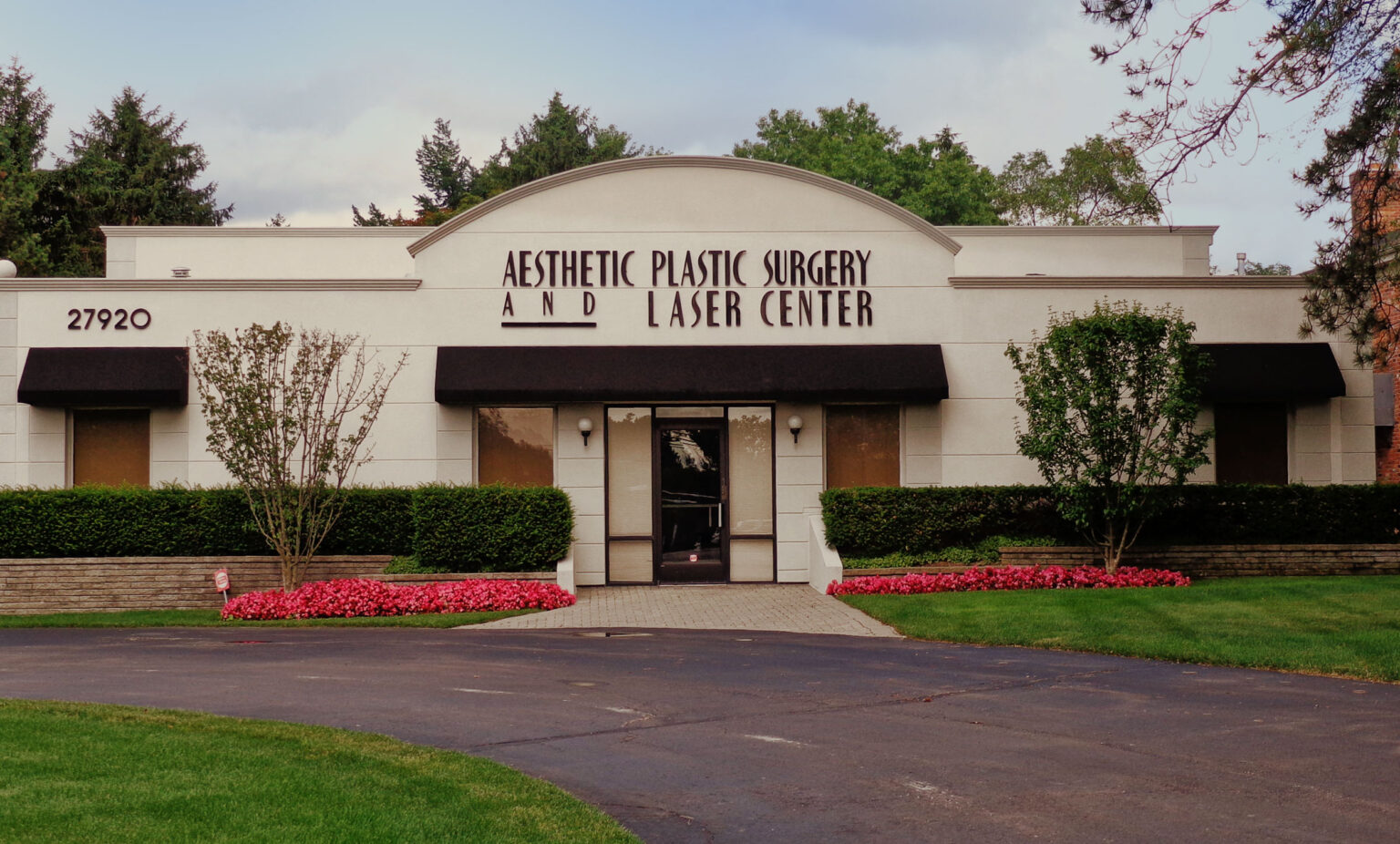
Aesthetic Plastic Surgery & Laser Center, Michelle Hardaway M.D.
27920 Orchard Lake Rd, Farmington Hills, MI 48334, United States
+1 248-221-1957
FAQ About Liposuction Michigan
Is 55 too old for liposuction?
Age 55 alone does not determine suitability. A surgeon evaluates overall health, skin quality, healing risks, and realistic goals. A personal consultation is needed to assess candidacy and discuss alternatives.
What happens 10 years after liposuction?
Contour improvements can last, especially with stable weight. Aging, pregnancy, and weight changes can alter the appearance over time. Results vary, and liposuction does not prevent future body changes.
Can lipo get rid of an apron belly?
Liposuction reduces localized fat but does not remove hanging excess skin. An apron belly may require assessment for a skin-removal procedure instead of, or alongside, fat removal. A qualified plastic surgeon can explain appropriate options and their risks.