How Body Contouring in Michigan Is Helping Patients Feel Their Best
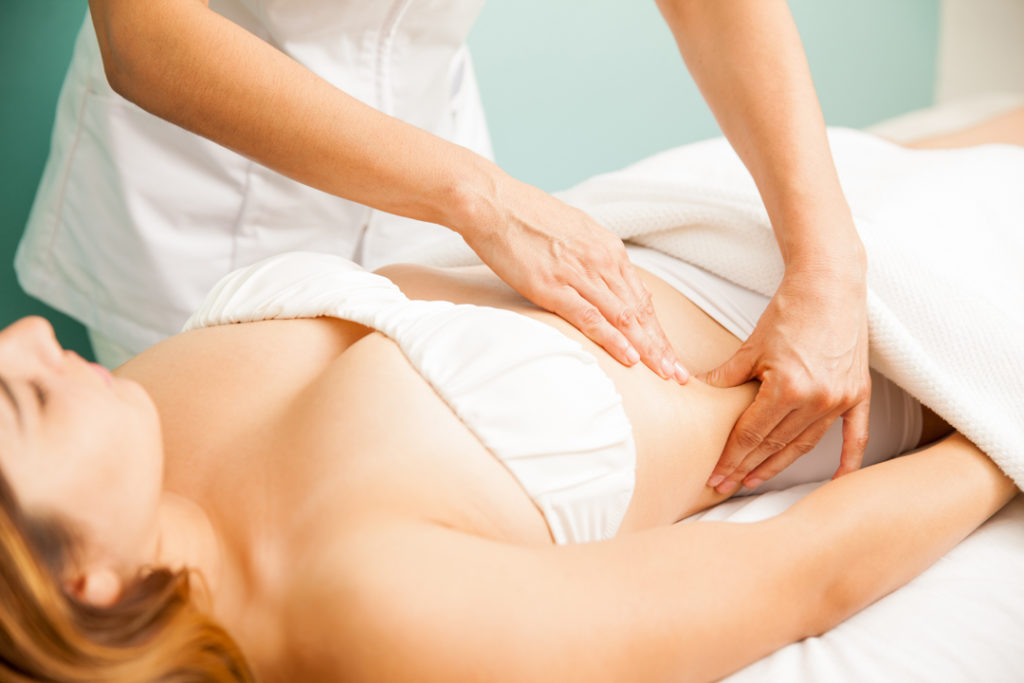
For many people, feeling better in their body has less to do with chasing a trend and more to do with finally seeing their effort reflected back in the mirror. That is where body contouring has found a meaningful place in modern aesthetic care. In clinics across Michigan, patients are turning to body contouring for practical reasons: stubborn fat that does not respond to diet and exercise, skin laxity after pregnancy, changes that come with weight loss, or the simple desire to feel more comfortable in clothing and daily life.
The phrase "Body Contouring in Michigan" covers a wide range of treatments, from noninvasive fat reduction to more involved surgical procedures that reshape the abdomen, thighs, arms, or flanks. What makes the topic worth a closer look is not just the variety of options, but the way treatment plans have become more individualized. Good providers are no longer selling a one-size-fits-all answer. They are matching procedures to a patient’s anatomy, goals, timetable, and tolerance for downtime.
That shift matters. When patients understand what body contouring can and cannot do, they usually make better decisions, Body Contouring in Michigan recover with fewer surprises, and feel more satisfied with the results. The best outcomes are rarely about dramatic before-and-after photos alone. They come from clear Body Contouring in Michigan expectations, careful patient selection, and a plan that respects the reality of someone’s life.
Why patients in Michigan are seeking body contouring now
Interest in body contouring has grown for years, but in Michigan there are a few practical factors that often shape the decision. Many patients spend months layering clothing through long winters, then feel self-conscious when warmer weather arrives and wardrobes change. Others have gone through a major health effort, losing 30, 50, or even more than 100 pounds, only to find that the last step is not about the scale. It is about contour, loose skin, and proportion.
There is also a more personal side to the demand. A patient who has had children may be less concerned with getting back to a previous size than with feeling stable and confident in her core again. Someone in their forties or fifties may notice that weight now settles differently than it did a decade ago. A man who has done everything right in the gym may still have fullness around the abdomen or chest that never really changes. Body contouring enters the conversation when effort and anatomy stop matching up.
Michigan patients often bring a practical mindset to aesthetic procedures. They want to know how long recovery will take, whether they can get back to work quickly, and whether the result will look natural in real life, not just in staged photos. That practicality tends to improve consultations. It pushes the discussion toward useful questions: What bothers you most? What have you already tried? Are you close to your goal weight? Do you want a subtle change, or are you ready for surgery if that is what it takes?
What body contouring actually means
Body contouring is not a single treatment. It is a category of procedures that reduce unwanted fat, tighten skin, improve shape, or combine those goals. Some treatments are noninvasive, using technologies such as cooling, heat, radiofrequency, or muscle stimulation. Others are minimally invasive or surgical, such as liposuction, tummy tucks, body lifts, arm lifts, and thigh lifts.
The important distinction is that body contouring is meant to shape the body, not serve as a primary weight loss method. That point gets repeated for a reason. Patients who expect a contouring procedure to replace basic health habits are usually disappointed. Patients who are already near a stable, realistic weight often do very well because contouring can refine what is left.
A simple example helps. If a patient has a modest pocket of fat at the lower abdomen and good skin tone, a noninvasive treatment may be enough to create a visible improvement. If the same patient has significant skin looseness after multiple pregnancies or major weight loss, reducing fat alone may actually make the loose skin look more obvious. In that situation, a surgical procedure might make more sense. The best treatment depends on what tissue is creating the problem: fat, skin, muscle separation, or a combination.
The most common goals patients talk about
When people first ask about Body Contouring, their language is usually straightforward. They say they want to feel more proportional. They want their clothes to fit better. They want the waistline to look smoother, the arms less full, or the abdomen flatter. Very few walk in asking for a technical procedure by name and nothing else. Most start with the outcome they are hoping to achieve.
Across many consultations, the goals tend to center on a few familiar areas:
- abdomen and waist refinement
- reduction of stubborn fat at the flanks, thighs, or arms
- improvement in loose skin after pregnancy or weight loss
- better body proportions in fitted clothing
- increased comfort and confidence in social or professional settings
Those goals may sound cosmetic, but they often connect to daily quality of life more than people expect. A patient who avoids certain events because nothing feels right to wear is not talking about vanity. A patient who has done a remarkable job losing weight but still feels hidden under excess skin is not looking for perfection. They are trying to align how they feel internally with what they see externally.
Noninvasive options and who they suit best
Noninvasive body contouring has become especially popular because it offers a lower-commitment entry point. These treatments typically involve little to no downtime, which appeals to busy professionals, parents, and anyone uneasy about surgery. Depending on the device, the treatment may cool fat cells, heat tissue, stimulate muscle contractions, or encourage mild skin tightening.
The ideal noninvasive patient is usually already fairly close to their desired shape. They may have a localized area that does not respond well to exercise, such as a lower belly pouch, love handles, or fullness under the chin. Their skin quality is often decent, because noninvasive technologies can help somewhat with firmness, but they do not remove excess skin the way surgery can.
This is one area where expectations really matter. Noninvasive treatments can be helpful, but they are not magic. Results often appear gradually over several weeks or months, and some patients need multiple sessions. The change can be satisfying without being dramatic. That is often enough for someone who wants a quieter improvement and values convenience over intensity.
A common pattern in practice is that patients choose noninvasive contouring for targeted maintenance. They have stable habits, they are not interested in surgery, and they would rather accept a moderate result than deal with anesthesia and a longer recovery. There is nothing wrong with that choice, provided the provider is honest about the likely outcome.
When surgery becomes the better tool
Surgical body contouring has a different role. It is more invasive, requires real recovery, and carries greater cost and risk. It also remains the most effective option for certain problems, especially significant skin laxity, separated abdominal muscles, or larger-volume contour changes.
A tummy tuck, for example, can remove excess abdominal skin and tighten the underlying muscle wall in a way no external device can reproduce. Liposuction can sculpt with far more precision and impact than most noninvasive fat reduction methods. After major weight loss, procedures such as lower body lifts, arm lifts, or thigh lifts can address hanging skin that causes irritation, clothing difficulty, and self-consciousness.
Patients are sometimes surprised to learn that surgery is not always about wanting a more dramatic look. In many cases, it is simply the only reasonable answer to a physical issue. If someone has folds of loose skin after losing a large amount of weight, recommending a series of device-based treatments instead of a proper surgical consult can waste time and money. Ethical providers know when to say, "This technology will not get you where you want to go."
That kind of honesty builds trust. It also protects patients from the frustration of chasing small improvements when the underlying problem calls for a different approach.
Michigan patients often care as much about recovery as results
Recovery is where real life collides with planning. In Michigan, where many patients balance family obligations, physically demanding jobs, commuting, and seasonal weather challenges, downtime is not an abstract concept. It shapes whether someone moves forward at all.
A noninvasive treatment may allow a patient to return to normal activities the same day. Mild swelling, numbness, soreness, or bruising can happen, but these effects are generally manageable. Surgical recovery is more variable. Liposuction may involve compression garments, fluid retention, and tenderness for weeks. Abdominoplasty or body lift procedures can require more time off, lifting restrictions, and a staged return to exercise.
Patients tend to do best when they plan for recovery with the same seriousness they bring to choosing the procedure. That means arranging help at home if needed, taking time off honestly rather than optimistically, and understanding that swelling can last longer than expected. One of the most common disappointments after surgery is not the final result, but impatience during the middle phase when bruising has faded yet the body is still settling.
I have seen this most clearly in patients who are highly disciplined in other parts of life. They assume effort will speed healing the way it improves performance at work or in fitness. Recovery does not respond that way. The body heals on its own timeline. Good surgeons explain that early and often.
The importance of consultation quality
A strong consultation tells you a lot about the quality of care to come. The best providers ask detailed questions, examine the patient carefully, and explain both options and limitations without overselling. They also spend time on the issue that many people are reluctant to bring up directly: whether the patient’s goal is anatomically realistic.
This is not about being dismissive. It is about translating desire into an achievable plan. If someone wants a tighter midsection, the provider needs to determine whether the concern is internal fat, superficial fat, excess skin, muscle laxity, posture, bloating, or some combination. If the complaint is "these jeans never fit right," the fix could involve flank contouring, abdominal tightening, or sometimes no procedure at all if weight is still fluctuating significantly.
The consultation should also cover health history, medications, smoking status, prior surgeries, and lifestyle patterns. Smoking and nicotine use, for instance, can significantly impair healing, particularly in procedures that rely on healthy blood supply to the skin. Large weight changes after body contouring can also alter results. These details matter more than a polished social media presence.
A careful consultation usually includes a discussion like this:
- what is causing the contour issue
- which treatments match that anatomy
- what level of result is realistic
- how much downtime and cost are involved
- what trade-offs come with each option
If those points are glossed over, the patient is being asked to make a decision without the information that matters most.
Body contouring after weight loss deserves special care
Some of the most appreciative body contouring patients are those who have lost significant weight. They have often spent years changing habits, improving health markers, and rebuilding confidence. Yet after that success, excess skin can become an emotional and physical burden. It may rub, trap moisture, limit clothing choices, and hide the true scale of the transformation.
This group deserves special care because their needs are often more complex. Skin quality can vary widely. Nutritional status matters, especially after bariatric surgery. There may be multiple areas of concern, not just one. Patients can feel torn between wanting to finish the journey and feeling overwhelmed by the idea of more procedures.
A thoughtful plan often means prioritizing. Instead of trying to address every area at once, a surgeon may recommend staging procedures based on what will improve comfort and function first. For one patient, that might be the abdomen. For another, it may be the arms or lower body. There is judgment involved here, and experience shows. The right plan is not always the biggest plan.
There is also a psychological component that should not be underestimated. People who have lived in a body that changed dramatically over time may need space to adjust to the process. A good provider understands that body image does not instantly become easy after surgery. Improvement can be profound, but it still unfolds in stages.
Why natural-looking results matter more than dramatic ones
The public image of aesthetic medicine often leans toward extremes, but in actual practice most patients want the opposite. They want to look like themselves, just more comfortable and balanced. In body contouring, that usually means preserving proportion rather than chasing a hyper-sculpted look that does not fit the patient’s frame or lifestyle.
This is especially true in professional communities, where patients may be less interested in obvious transformation and more interested in subtle confidence. They want to stop tugging at a blouse, avoid layering to hide a midsection, or feel less self-conscious at the gym. A result can be life-improving without being theatrical.
Natural results come from restraint as much as skill. Over-reducing fat, ignoring the role of skin quality, or pursuing aggressive contouring in the wrong candidate can create irregularities or an operated look. The most attractive outcomes often seem almost simple at first glance. Clothing fits better. Posture improves. The patient stops organizing life around hiding certain areas. Those shifts are quieter, but often more meaningful.
Choosing a provider in Michigan with sound judgment
Michigan has no shortage of practices offering body contouring, but not all offices approach treatment with the same standards. Credentials, experience, and honesty matter. So does the ability to say no when a patient is not a good candidate, or to redirect them toward a different treatment than the one they expected.
Look for a provider who can explain why a specific option fits your anatomy, not just why the procedure is popular. Before-and-after photos can be useful, but they should be interpreted carefully. Consistent lighting, similar body types, and clear timelines help make those examples more credible. A provider who can discuss complication risks openly, without defensiveness, is usually more trustworthy than one who makes everything sound easy.
Patients should also pay attention to the overall feel of the office. Is the consultation rushed? Are questions welcomed? Does the team discuss postoperative support, garments, follow-up visits, and realistic milestones? These details can be more predictive of a good experience than flashy branding.
What long-term satisfaction tends to depend on
Long-term satisfaction with Body Contouring in Michigan usually comes down to alignment. The treatment has to match the anatomy, the patient’s expectations have to match what the procedure can deliver, and the recovery demands have to fit the patient’s life. When those pieces line up, satisfaction tends to be high.
It also helps when patients view body contouring as part of a bigger picture rather than a cure-all. The procedure can refine shape, remove excess tissue, and improve fit and comfort. It cannot erase every insecurity or permanently outrun major weight fluctuations, pregnancy, aging, or gravity. Patients who understand that are often the happiest because they appreciate what the procedure accomplished without asking it to do the impossible.
There is a certain relief that comes through when treatment is chosen well. A person who no longer dreads swimsuit season. A recent weight-loss patient who can finally see the contour they worked so hard for. A professional who stops thinking about how a jacket falls across the waist every time they stand up in a meeting. These are not trivial victories. They are the practical, everyday forms of confidence that people carry into the rest of their lives.
That is why Body Contouring remains an important part of aesthetic care in Michigan. At its best, it is not about becoming someone else. It is about resolving specific concerns with skill, realism, and respect for the patient as a whole person. When done thoughtfully, body contouring does more than reshape the body. It helps people move through the world with less friction and more ease, which is often exactly what they were looking for all along.
Aesthetic Plastic Surgery & Laser Center, Michelle Hardaway M.D.
Address: 27920 Orchard Lake Rd, Farmington Hills, MI 48334
Phone number: +12482211957
FAQ About Body Contouring in Michigan
What does body contouring actually do?
Body contouring (or body sculpting) eliminates stubborn localized fat, tightens loose, sagging skin, and reshapes your silhouette. It is not a weight-loss tool, but rather a cosmetic procedure used to refine and tone specific trouble spots after major weight loss, pregnancy, or aging.
How much does body contouring usually cost?
The total cost of body contouring usually ranges from $2,000 to $25,000+ depending entirely on whether you choose non-surgical sessions or major surgical procedures.
Because "body contouring" covers everything from simple fat-freezing to comprehensive post-weight-loss surgeries, pricing is heavily categorized by the method used.
What is the best type of body contouring?
Liposuction is a huge topic and worth discussing in more detail, but in terms of body contouring and sculpting, nothing does the job better than liposuction, particularly VASER liposuction.