How Age Can Influence Liposuction Farmington Hills Results
Age shapes almost every conversation around cosmetic surgery, and liposuction is no exception. Patients often ask whether they are too young, too old, or in the narrow middle window where everything supposedly works best. The real answer is more useful than a simple age cutoff. Liposuction results depend less on the number of candles on a birthday cake and more on how age affects skin elasticity, fat distribution, healing capacity, hormone patterns, and expectations.
That matters for anyone considering Liposuction Farmington Hills practices offer, because the best outcomes usually Liposuction Farmington HIlls come from matching the procedure to the body in front of you, not to a generic idea of what a patient in their 20s, 40s, or 60s should look like after surgery. A healthy 58-year-old with good skin tone and stable weight may get a better result than a 29-year-old with significant skin laxity, large weight fluctuations, or unrealistic expectations about what liposuction can fix.
Liposuction remains one of the most effective tools for removing localized fat deposits that resist diet and exercise. It is not a skin-tightening procedure, and it is not a substitute for weight loss. Those distinctions become more important with age, because age changes both the body’s structure and the way it responds after surgery.
Why age matters, but not in the way most people think
When surgeons evaluate a liposuction candidate, age is only one factor. It serves as a shorthand for several underlying qualities. Younger patients tend to have better collagen support and more elastic skin, which often helps the skin contract smoothly after fat removal. Older patients may have thinner skin, weaker connective tissue, and a greater chance of visible looseness after contouring. Still, those are trends, not rules.
A patient’s medical history usually tells a more accurate story than age alone. Smoking, sun damage, diabetes, prior weight changes, steroid use, and genetics can all affect healing and skin recoil. Some people in their 30s already show poor elasticity in the abdomen or upper arms, especially after pregnancy or repeated weight cycling. Others in their 60s maintain impressive skin quality because they have stable weight, strong muscle tone, and relatively favorable genetics.
That is why a good consultation for Liposuction Farmington Hills patients seek should feel individualized. The surgeon should examine pinch thickness, skin snap-back, body proportions, and the presence of loose skin, rather than simply saying, “You’re young, so you’ll do great,” or “You’re older, so you need to lower your expectations.”
Liposuction in your 20s and early 30s
Patients in this age group often arrive with one or two stubborn areas that have not responded to exercise. Common concerns include fullness in the lower abdomen, flanks, outer thighs, inner thighs, upper arms, and under the chin. In many cases, the skin still has strong recoil, which can make the result look crisp and smooth after swelling resolves.
This is the age range where liposuction can be especially satisfying, but it is also where expectations can drift furthest from reality. A younger patient may be close to their ideal weight and still feel frustrated that one area does not match the rest of their frame. That is a reasonable use of liposuction. Problems arise when someone expects the procedure to create an entirely different physique, reveal abdominal muscle definition without the body fat percentage to support it, or permanently override future weight gain.
One pattern that shows up often is the post-college or early-career patient who has gained 10 to 20 pounds and wants a fast reset. If weight is still fluctuating, surgery may produce a temporary improvement but not a durable one. Liposuction works best after habits and weight have stabilized. Fat cells removed from a treated area are gone, but remaining fat cells can still enlarge, and untreated areas can still store weight.
Pregnancy is another important factor in this age group. A woman who plans future pregnancies may still be a good candidate for selective liposuction, especially in areas such as the flanks or under the chin. But if the main issue is abdominal wall separation or loose skin after childbirth, liposuction alone may disappoint. In that setting, age is less relevant than anatomy.
The 40s and 50s, where body contour concerns often become more specific
By the 40s and 50s, body contour complaints become more nuanced. Patients often describe a body that changed despite staying fairly active. Men may notice increasing fullness in the abdomen and flanks. Women often report thicker waistlines, changes through the bra line, inner knee fullness, or abdominal fat that became more stubborn after pregnancy and perimenopause.
Hormones play a role, but they are not the whole explanation. Muscle mass tends to decline with age unless it is actively maintained. Metabolism shifts. Sleep can worsen. Stress can rise during career and family peak years. Together, these factors influence where fat is stored and how easy it is to lose.
This age group often does very well with liposuction, particularly when expectations are calibrated to contour improvement rather than dramatic weight reduction. In practice, many of the happiest patients are in this stage of life because they have realistic goals. They know what changed, they can point to the exact areas that bother them, and they are motivated to maintain the result.
Skin quality becomes more variable here. Some 45-year-olds have excellent abdominal recoil and can achieve a smooth waistline after fat removal. Others have enough laxity that taking out volume reveals more loose skin than expected. The difference may come from pregnancies, prior surgeries, genetics, or weight fluctuations over the years. This is why an honest physical exam matters more than broad age categories.
A common example is the patient who wants lower abdominal liposuction because the area bulges in fitted clothing. If the bulge comes mostly from a pocket of subcutaneous fat and the skin still has decent tone, liposuction can be very effective. If the lower abdomen also has crepey skin and a protrusion from muscle separation, the result may improve shape but not create a flat, tight look. That is not a failure of the procedure. It is a mismatch between the tool and the problem.
What changes after 60
Patients over 60 are often told, directly or indirectly, that cosmetic surgery is mainly for younger people. That is outdated thinking. Plenty of older adults are excellent candidates for liposuction, especially if they are active, medically stable, and seeking modest, focused improvements.
The difference is that the treatment plan usually needs more finesse. Skin tends to be thinner. Recovery may move a little slower. Bruising can last longer. If there is significant laxity, aggressive fat removal may leave a hollow or wrinkled appearance instead of a polished contour. In older patients, restraint often produces the better aesthetic result.
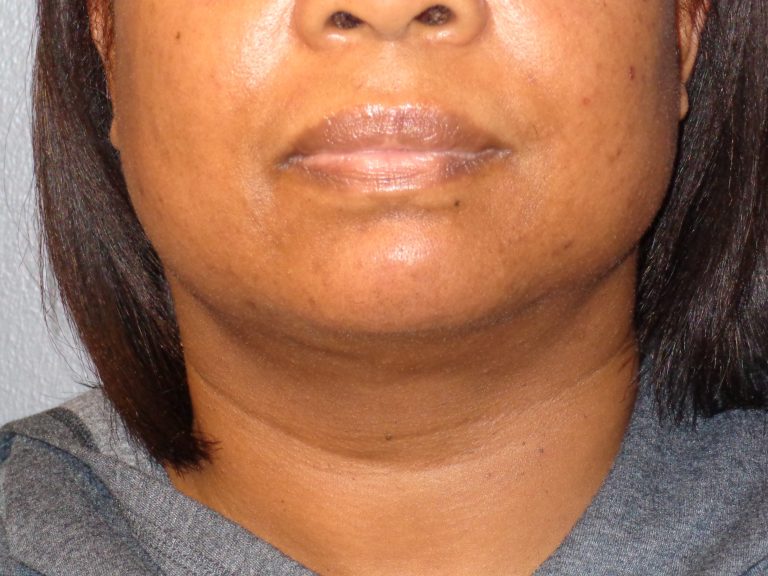
That can mean removing less fat than a younger patient might tolerate, or concentrating only on areas where contour change will still read clearly through the skin. The neck and jawline can sometimes improve nicely in selected patients, though pronounced banding or skin looseness may require a different approach. The abdomen and upper arms need especially careful planning because those are areas where loose skin can become more visible after fat is removed.
Medical clearance also matters more with age. Blood pressure control, medication review, heart history, mobility, and previous surgeries all affect safety and recovery. None of this automatically rules someone out. It simply raises the importance of thoughtful patient selection.
Skin elasticity, the hidden variable behind many results
When patients picture liposuction, they focus on fat. Surgeons think just as much about skin. The skin has to drape over a newly reduced contour. If it contracts well, the result can look sleek and natural. If it does not, the same fat removal can look underwhelming or even irregular.
Age tends to reduce collagen and elastin, but lifestyle can accelerate or slow that process. Heavy sun exposure, smoking, rapid weight changes, poor nutrition, and some medical conditions all weaken skin quality. Hydration creams cannot fix deep structural laxity. Neither can wishful thinking during a consultation.
A quick office exam often reveals more than patients expect. Skin that snaps back quickly after being pinched usually predicts stronger recoil. Skin that looks thin, wrinkled, or slow to rebound raises caution. Stretch marks can also offer clues. They do not automatically disqualify a patient, but they often indicate the skin has been stretched beyond its ideal capacity before.
This is where many age-related disappointments begin. A patient in their late 40s or early 50s may still feel young, energetic, and healthy, but the abdominal skin may not behave like it did at 28. That disconnect can be emotionally surprising. The best consultations address it directly, with plain language and before-and-after examples that match the patient’s anatomy and age range.
Healing, swelling, and patience at different ages
Younger patients often heal faster, though that should not be oversold. Everyone swells after liposuction. Compression garments can help, and final definition usually takes longer than patients expect. A person in their 20s may bounce back to daily routines quickly, but subtle swelling can still linger for months. A patient in their 50s or 60s may need more patience before the treated area looks refined.
Bruising patterns can differ as well. Older skin may bruise more easily and hold discoloration longer. That does not necessarily affect the final outcome, but it affects the recovery experience. The same goes for soreness, stiffness, and temporary firmness in the treated tissues. These are common across age groups, though duration can vary.
One practical point that often gets overlooked is activity level before surgery. A fit 62-year-old who walks daily, strength trains, and manages chronic conditions well may recover more smoothly than a sedentary 34-year-old. Baseline conditioning matters. So does following instructions afterward. Compression, walking, hydration, and avoiding too much too soon all influence the way recovery unfolds.
Age-related fat distribution changes what “good results” look like
Fat does not simply increase or decrease with age. It relocates. Women may notice a straighter waist and more central fullness after hormonal shifts. Men often store more through the midsection over time. Some patients lose youthful fullness in one area while gaining stubborn bulk in another.
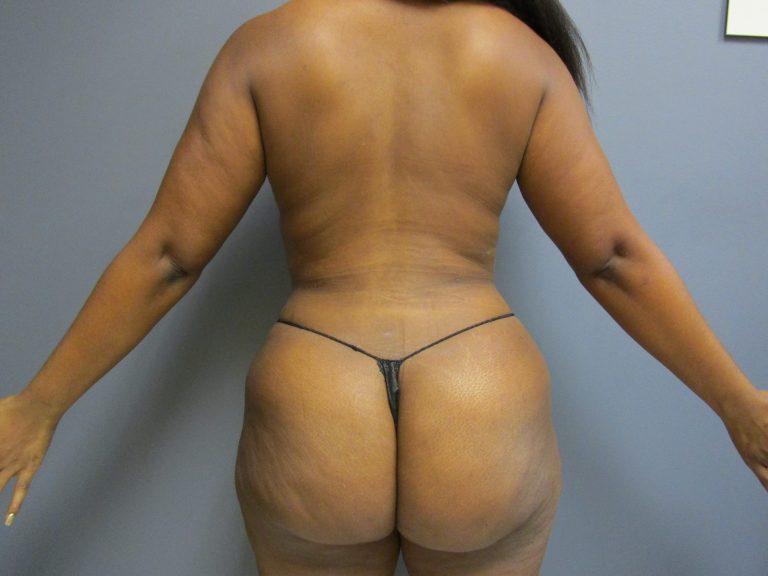
That affects surgical planning. On a younger body, removing flank fat might reveal a stronger waist-to-hip transition. On an older body with less skin elasticity and less gluteal volume, the same reduction could flatten the silhouette if not planned carefully. Good contouring is not just subtraction. It is proportion.
This is one reason why experienced surgeons may recommend treating adjacent areas together rather than focusing narrowly on one small zone. For example, the abdomen alone may improve, but the waist often looks more harmonious if the flanks are contoured as well. In the neck, limited suction under the chin may help, but if skin laxity extends through the jawline, the patient needs to understand what liposuction can and cannot accomplish.
The emotional side of age and cosmetic expectations
Age carries emotion in cosmetic surgery. Younger patients may feel pressure from social media and seek highly sculpted results that do not reflect normal anatomy. Older patients may be trying to reclaim a sense of familiarity with their appearance after menopause, weight changes, or major life transitions. Neither motivation is trivial, but each requires careful expectation setting.
The most reliable predictor of satisfaction is not age alone. It is whether the patient understands the likely outcome and still feels that improvement is worth it. Someone who expects perfection will struggle no matter how technically successful the procedure is. Someone who wants better clothing fit, cleaner lines through the waist, or less fullness under the chin often feels very pleased with a realistic result.
In consultations, certain questions help reveal whether expectations are grounded:
- Are you close to a stable weight you can maintain?
- Is your main concern localized fat rather than loose skin?
- Would a visible improvement satisfy you, even if the area is not flawless?
- Do you understand that final contour takes time to appear?
- Are you choosing surgery for yourself rather than reacting to outside pressure?
Those answers often matter more than age in years.
When age suggests a different procedure might serve you better
There are cases where age-related changes point away from liposuction alone. This is not a sign that the patient waited too long. It simply reflects anatomy. If a person has significant skin redundancy, severe muscle laxity in the abdomen, or tissue descent in the neck, another procedure may provide a stronger result.
For example, an abdominoplasty may be more effective than liposuction alone after major weight loss or multiple pregnancies. In the neck, a lifting procedure may address loose skin or platysmal banding better than suction by itself. Sometimes combination treatment is the right answer, and sometimes the most responsible answer is to avoid surgery until weight stabilizes or medical issues are better controlled.
The best aesthetic plans are often the least sales-driven. A practice offering Liposuction Farmington Hills patients consider should be willing to say, “This can help, but not in the way you are picturing,” or, “Another approach would fit your anatomy Liposuction Farmington HIlls better.” Candor protects outcomes.
How to judge candidacy at any age
A useful way to think about candidacy is to separate calendar age from tissue age and health age. Calendar age tells part of the story. Tissue age reflects skin quality, fat pattern, and muscle support. Health age reflects how safely a person can undergo surgery and recover.
A strong candidate usually has a few things in common:
- relatively stable weight
- specific pockets of diet-resistant fat
- skin quality that can support contour change
- good overall health and realistic expectations
- willingness to maintain results with consistent habits
That combination can exist at 27, 47, or 67.
Choosing timing wisely in Farmington Hills
Timing matters almost as much as age. In a community like Farmington Hills, where patients often balance work, family, travel, and seasonal routines, the “best age” for liposuction is often the age when life allows proper recovery and long-term maintenance. A patient in their late 30s may technically be a strong candidate but may do better waiting until after planned pregnancies. A patient in their early 60s may be an excellent candidate now but less ideal in a few years if mobility declines or medical complexity increases.
There is also value in seasonal planning. People frequently schedule body contouring when they can wear compression garments discreetly and limit social obligations for a few weeks. That does not change the result itself, but it can make recovery less stressful, which often helps patients stay compliant with aftercare.
What patients should expect from an honest consultation
A high-quality consultation should leave you with more clarity, not just more enthusiasm. You should hear a straightforward assessment of your skin tone, fat distribution, and whether age-related changes limit the likely result. You should also understand what recovery might feel like for someone at your stage of life.
If the conversation focuses only on how much fat can be removed, that is a red flag. The better questions are whether the skin will redrape well, whether the contour will stay balanced, and whether another procedure should be considered. Patients seeking Liposuction Farmington Hills options should feel comfortable asking to see before-and-after photos of people in a similar age range and with similar anatomy. That is often more useful than viewing dramatic transformations that do not resemble your starting point.
Age influences liposuction results, but it does not control them on its own. Skin quality, health, weight stability, and surgical judgment carry just as much weight, often more. The patient who does best is rarely the youngest person in the room. It is usually the person whose anatomy matches the procedure, whose expectations are realistic, and whose surgeon is willing to tailor the plan instead of forcing a one-size-fits-all answer.
Aesthetic Plastic Surgery & Laser Center, Michelle Hardaway M.D.
27920 Orchard Lake Rd
Farmington Hills, MI 48334
(248) 221-1957
FAQ About Liposuction Farmington Hills
What disqualifies you from getting liposuction in Farmington Hills?
A surgeon may recommend postponing or avoiding liposuction if a health condition, medication, or nicotine use raises the risk of surgery or poor healing. A consultation is needed to assess your medical history and whether the procedure fits your goals.
Can liposuction remove 20 pounds?
Liposuction is a body contouring procedure for localized fat. It is not a weight loss treatment, and a specific number of pounds is not a safe or useful target. The surgeon determines how much can be removed safely for each patient.
What are the risks of liposuction?
Risks include infection, changes in sensation, uneven contours, and complications from anesthesia or blood clots. A plastic surgeon can explain which risks apply to you and what to expect during recovery.